TGS is designed for 21st-century leadership performance and psychosocial risk identification
Because Effective Leadership Isn't Black and White
TGS is designed for 21st-century leadership performance and psychosocial risk identification
Because Effective Leadership Isn't Black and White
How TGS Can Help You
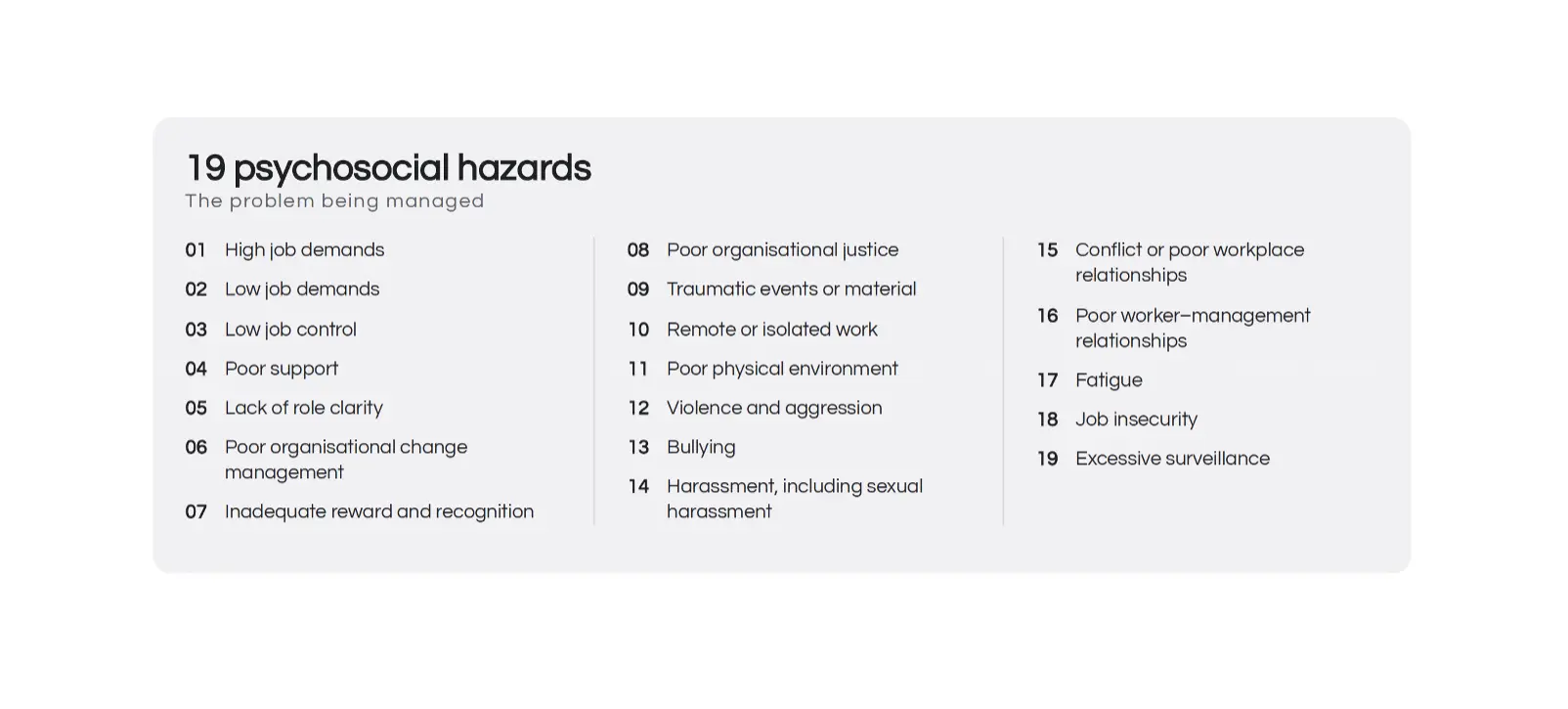
As a board member, managing psychosocial risks to ensure compliance with psychological health and safety (PHS) regulations is vital to long-term organizational success.
Legal obligations demand strict adherence to these standards, with potential penalties and personal liability for lapses.
Ethically, PHS compliance safeguards employee well-being and strengthens organizational reputation, making it more appealing to top talent. Financially, compliance reduces risks of fines, costly compensation claims, and productivity losses from mental health issues. Commitment to PHS compliance is a legal and ethical responsibility and a strategic choice to protect the organization's financial stability and future success.
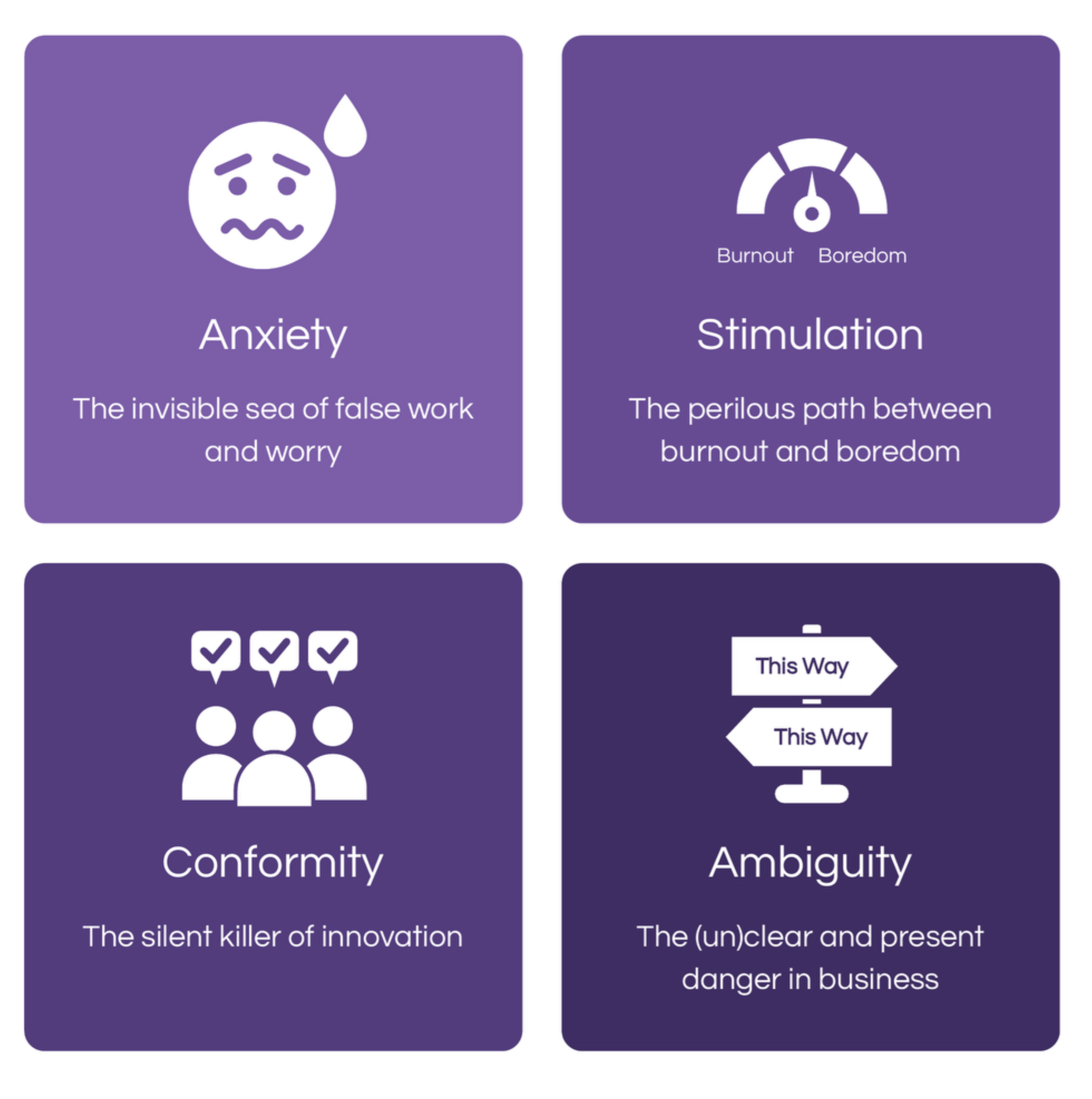
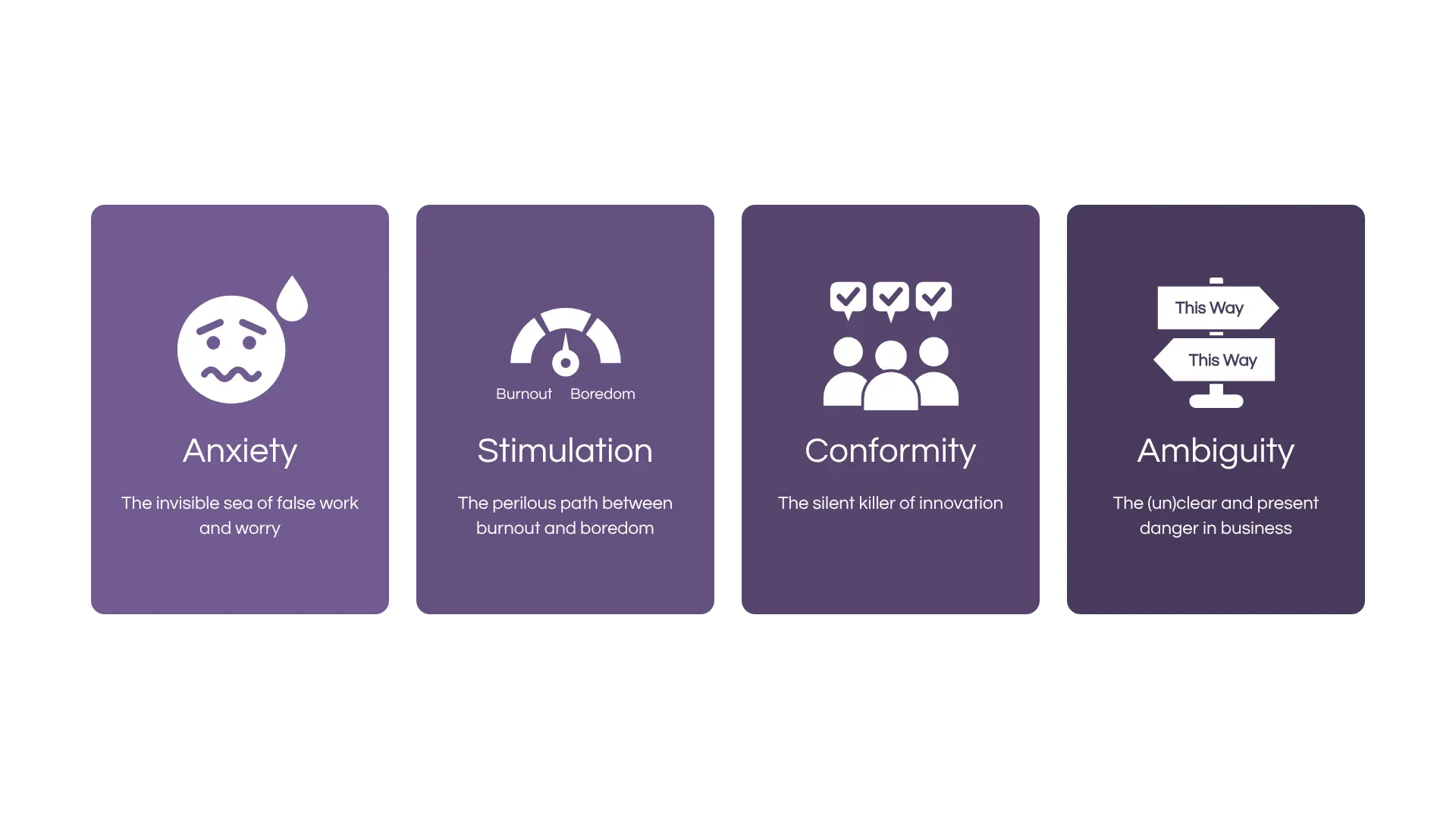
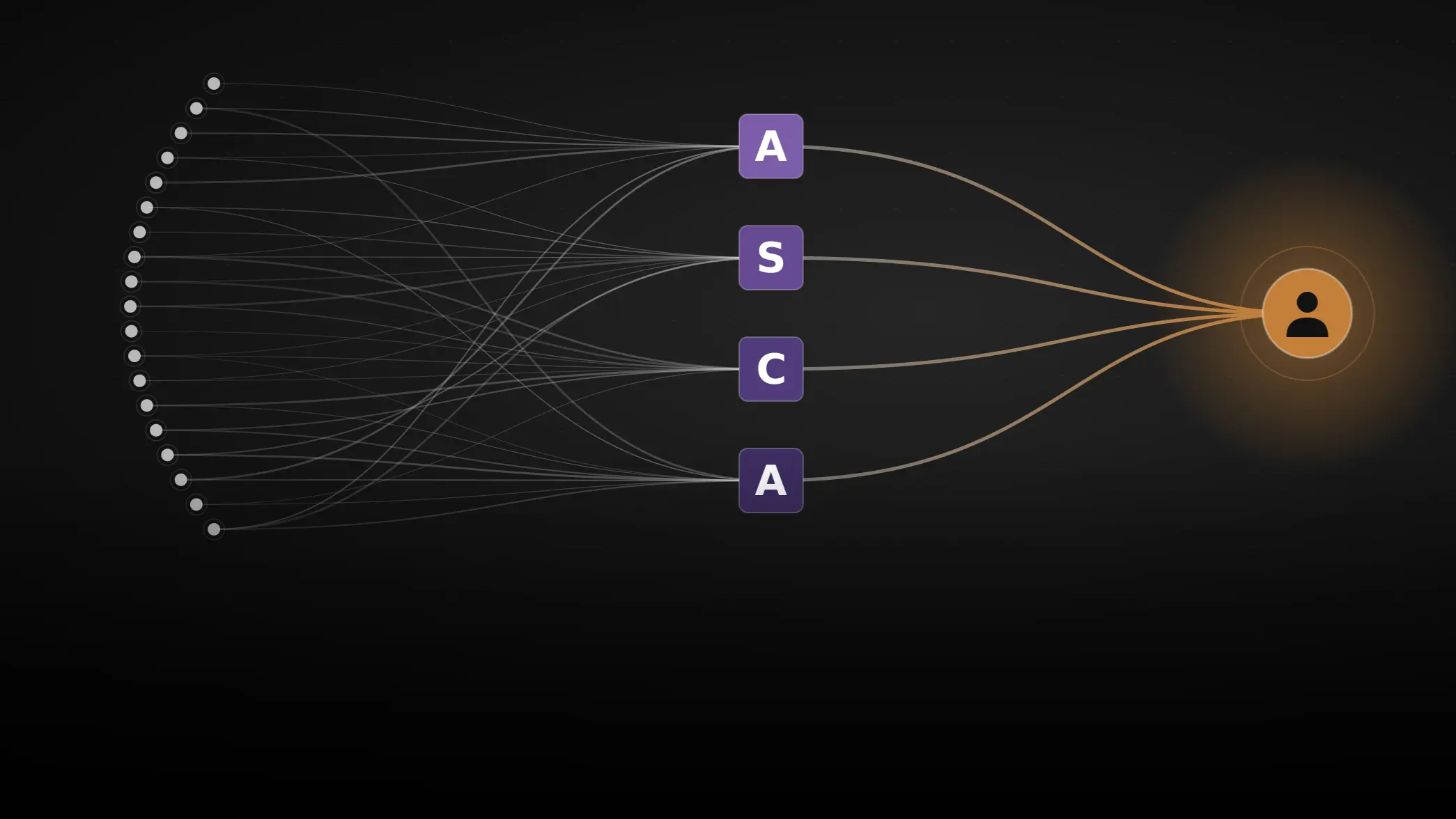
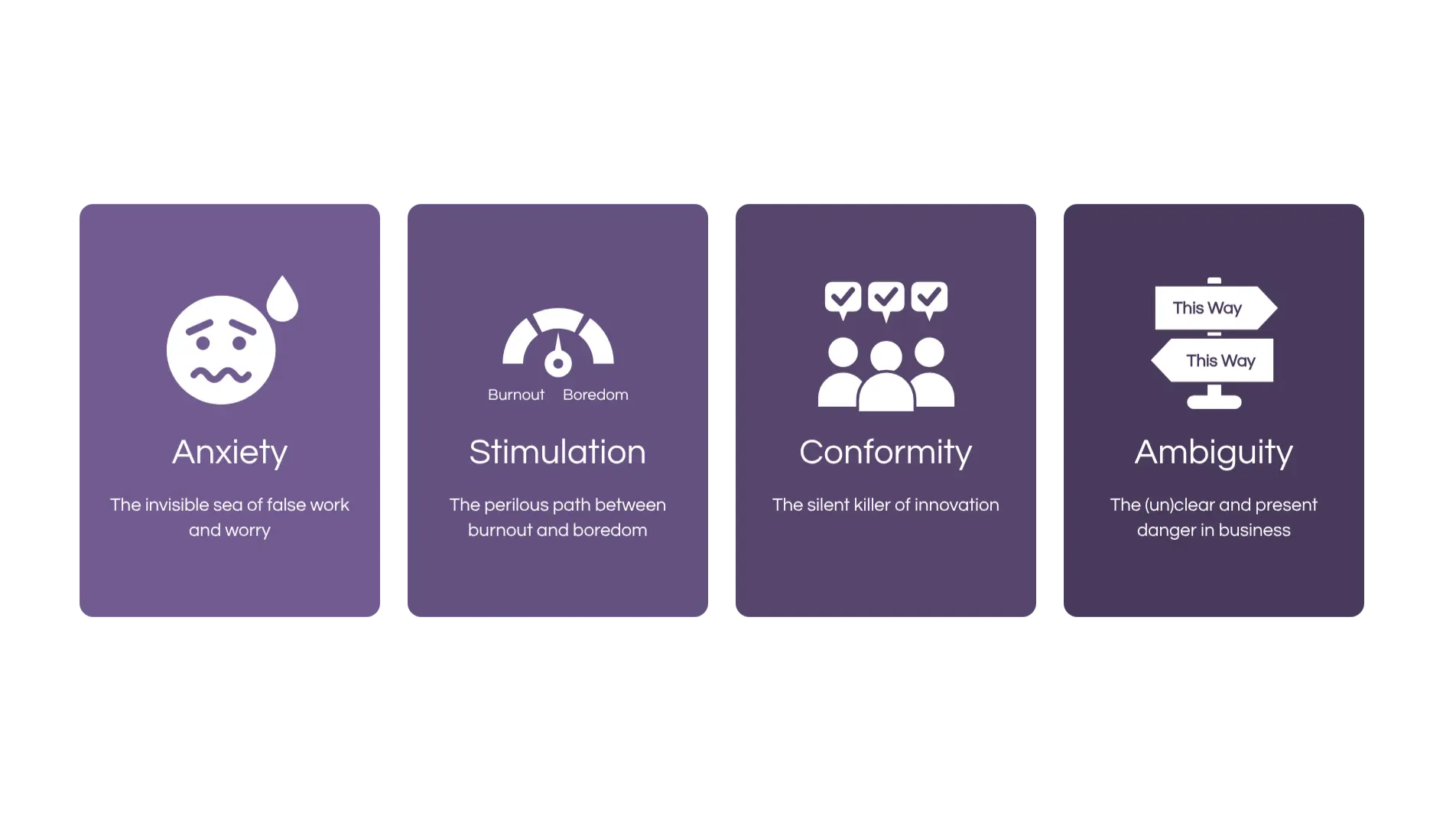
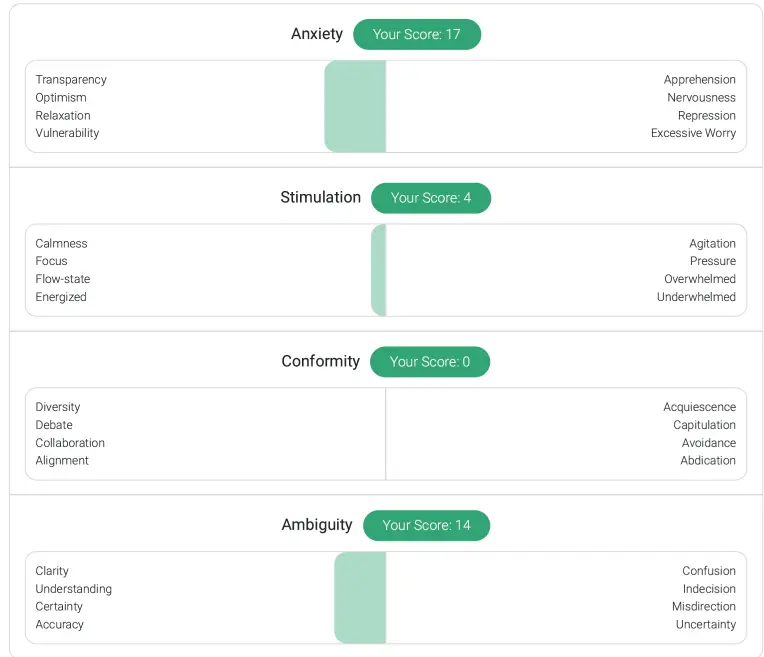
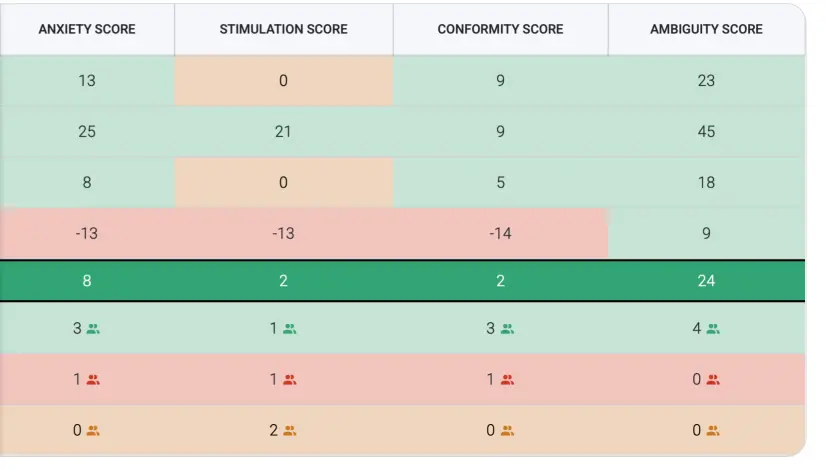
TGS can help you reduce compliance risk by identifying potential leadership risk and showing how a leader's personality combination affects people and performance through the four critical psychosocial risk factors—Ambiguity, Stimulation, Conformity, and Anxiety (ASCA).

The role of HR in placing the proper leader is crucial.
An effective leader drives employee engagement, fosters a positive work culture, boosts productivity, and attracts top talent. Conversely, choosing an ineffective leader can create psychosocial risks in the workplace, leading to high employee turnover, low morale, and reduced performance.
Psychosocial risks damage employees' well-being and harm the organization's reputation, making it harder to attract and retain top talent.
Therefore, HR's role in selecting effective leaders is critical in shaping a successful, productive, and sustainable workplace environment.
TGS can help you identify potentially effective and risky leaders as part of your recruitment or development process by providing insights into their winning and risky personality combinations and their impact on the four critical psychosocial risk factors - Anxiety, Stimulation, Conformity and Ambiguity (ASCA) which affects peoples and performance.

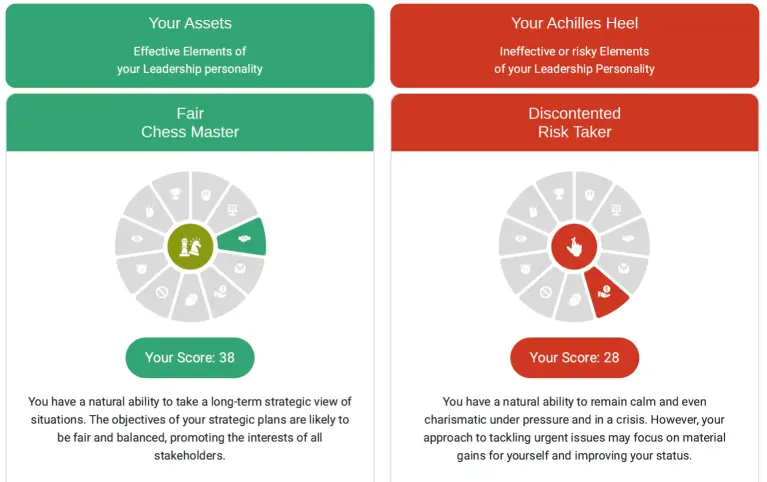
An effective leader should thrive in stressful situations, handle complexity and ambiguity well, seem to have little anxiety about tackling difficult challenges, and cope with internal and external volatility and uncertainty. The presence of the 'Performance Personality' trait combinations underpins this.
However, if these same 'performance' personality traits are extreme or unchecked, they can be risky and toxic, negatively impacting the four critical psychosocial risk factors: Anxiety, Stimulation, Conformity, and Ambiguity(ASCA) and creating unhealthy work environments. This can lead to reduced morale, decreased performance, and high staff turnover.
Our research shows that leaders are born, but effective leaders are made.
Effective leaders are self-aware, play to their strengths, and mitigate their weaknesses.
TGS can help you become a more effective leader by giving insight into your effective and risky personality combinations and how you impact people and performance

Recruiters are responsible for supplying suitable, thoroughly vetted candidates for leadership positions they are briefed on.
Effective leaders drive an organization's success, shaping its culture, strategy, and performance. Inadequate vetting or mismatched candidates can cause leadership failures, leading to decreased morale, business disruption, and reduced performance. The consequences of a wrong candidate placement are significant, impacting the reputation and bottom line of the recruitment firm and the business where the candidate is placed.
Recruiters must ensure candidates have the qualities needed for effective leadership, including any potential negative impact on psychosocial risks.
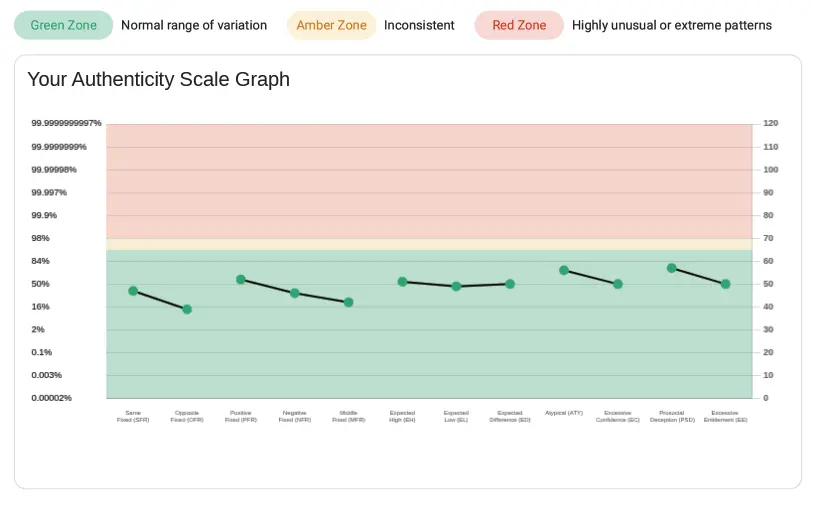
TGS can help catch any candidate trying to game the system by detecting 99% of 'inauthentic' responses in the assessment and providing a psychosocial risk profile.
The Leadership Problems TGS Helps Solve
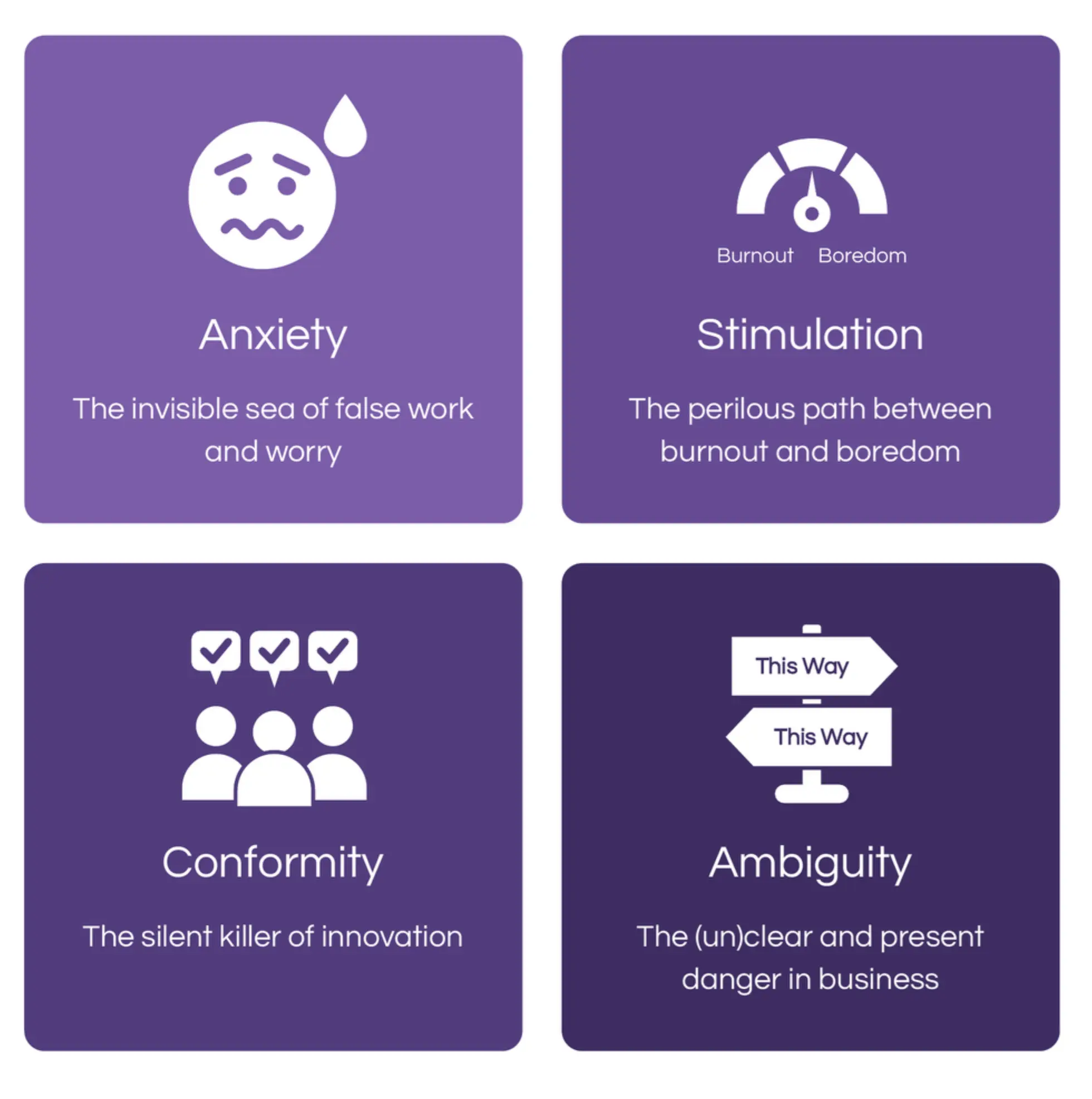
Is this leader likely to mitigate or amplify ASCA for their team?

How do you identify effective and psychosocially safe leaders?

How do you know if the leadership candidate is telling the truth?
Why Leader-level Psychosocial Risk Matters
Psychosocial risk is now enforced, not optional.
Every Australian jurisdiction now requires employers to manage psychosocial hazards, and other countries are rapidly following suit. Mental health conditions now account for about one in ten serious workers’ compensation claims, up from 6.4% a decade earlier.
Most tools measure the conditions your people report. The GreyScale profiles the leader who shapes them.
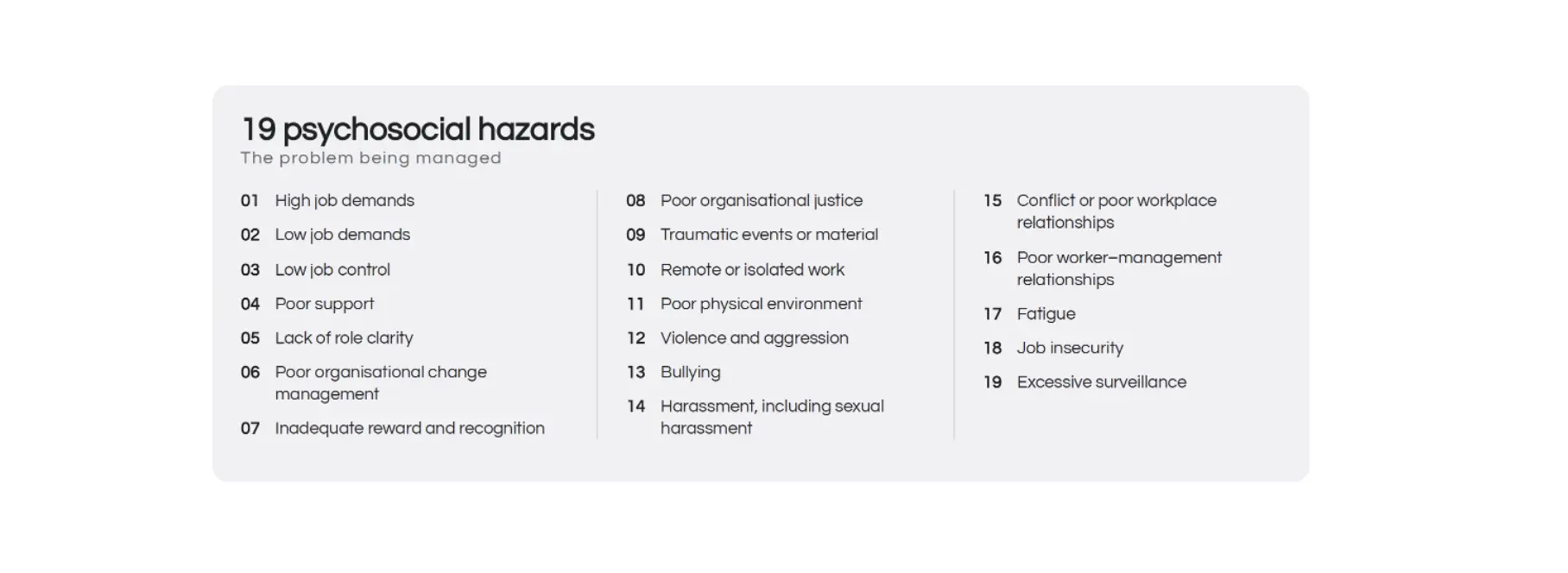
Four forces every leader shapes
Anxiety. The absence of information, and the worst-case stories that fill it.
Stimulation. Too much or too little, and focus suffers.
Conformity. Agreement that isn’t real, and the silent killer of innovation.
Ambiguity. Information that is unclear or conflicting, so people guess.
If you don't know whether the candidate is authentic, that's risky.
Your reputation relies on the durability of your placements. A single mismatched leader can disrupt a business and erode your credibility.
You must look beyond the resume. The GreyScale protects your brand with a 13-point validation system that detects 99% of inauthentic or deceptive responses. This ensures the candidate you're considering is who they claim to be and that you place only leaders who are truly built to succeed.

Psychosocial risk is now enforced, not optional.
Every Australian jurisdiction now requires employers to manage psychosocial hazards, and other countries are rapidly following suit. Mental health conditions now account for about one in ten serious workers’ compensation claims, up from 6.4% a decade earlier.
Most tools measure the conditions your people report. The GreyScale profiles the leader who shapes them.
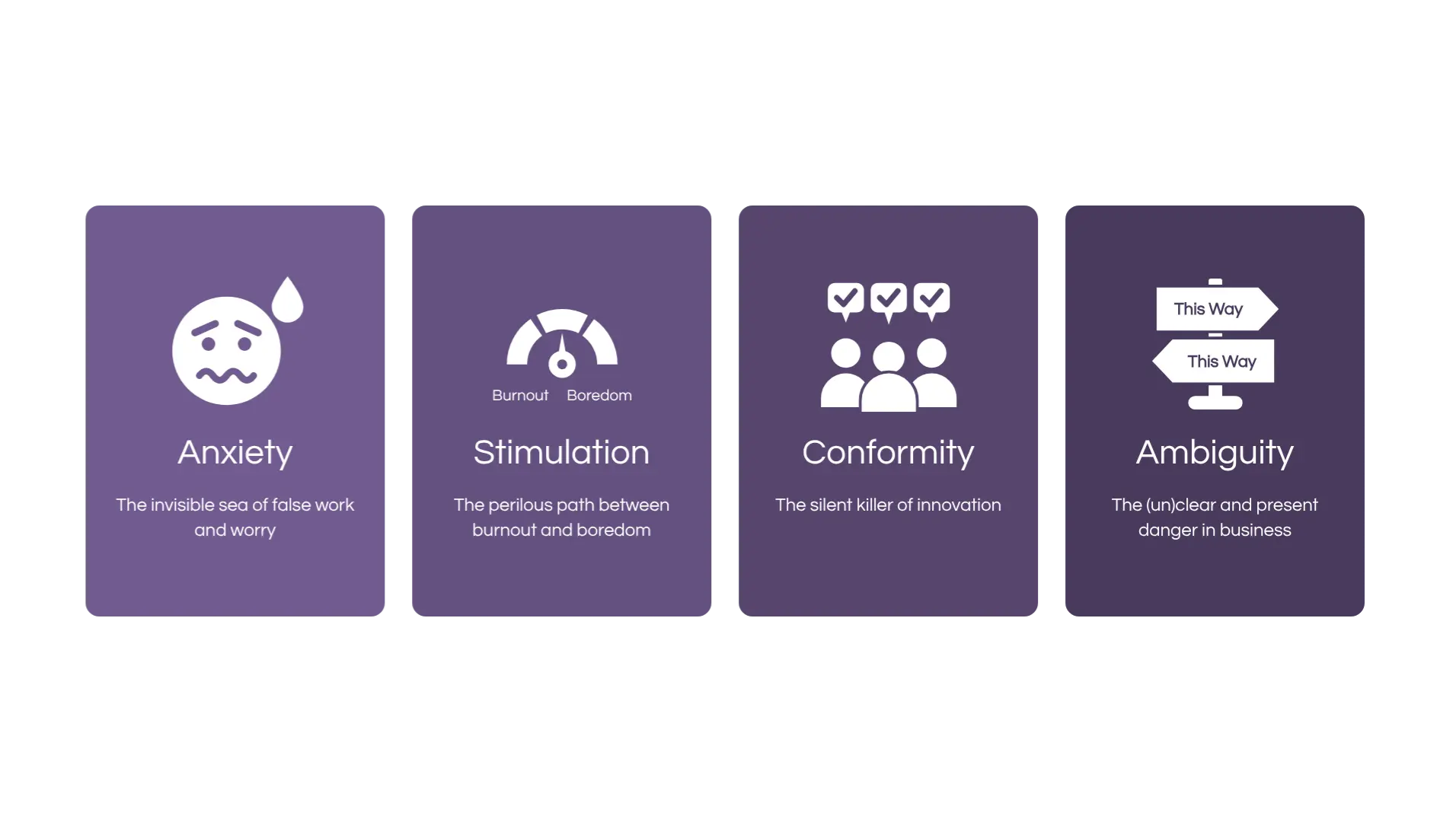
Four forces every leader shapes
Anxiety. The absence of information, and the worst-case stories that fill it.
Stimulation. Too much or too little, and focus suffers.
Conformity. Agreement that isn’t real, and the silent killer of innovation.
Ambiguity. Information that is unclear or conflicting, so people guess.
If you don't know whether the candidate is authentic, that's risky.
Your reputation relies on the durability of your placements. A single mismatched leader can disrupt a business and erode your credibility.
You must look beyond the resume. The GreyScale protects your brand with a 13-point validation system that detects 99% of inauthentic or deceptive responses. This ensures the candidate you're considering is who they claim to be and that you place only leaders who are truly built to succeed.
About TGS Assessment Output Enterprise
The GreyScale (TGS) is a cutting-edge assessment built for 21st-century leadership. It gives HR, C-Suite, Board Members, Recruiters, and Coaches the critical data to identify both high-potential and high-risk leaders as part of recruitment and development strategies.
The TGS Business Solution enables leaders to be grouped and analysed across all outputs as a distributed leadership team.
See a Sample TGS Assessment Report
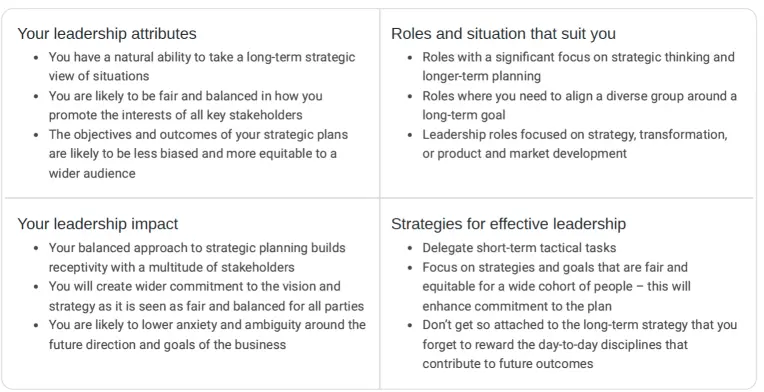
Curious about what your leadership assessment report will look like? See a Sample Report and discover how The GreyScale provides in-depth insights into your leadership style.
Insight — 09 October 2025
Insight — 01 October 2025
Insight — 24 September 2025

TGS Solutions for leadership psychosocial risk and performance
TGS provides leadership performance and psychosocial risk evaluation solutions for businesses and individual leaders. Our solutions are built around The TGS Leadership Assessment.
It delivers powerful, actionable insights to increase leadership effectiveness; identify and mitigate leadership psychosocial risks; and improve leadership candidate suitability, along with an in-depth analysis of distributed leadership.

